Table of Content
Focus on what matters. BIXO handles the rest!

Managing several projects at the same time can feel overwhelming. Deadlines slip, priorities clash, and you find yourself dealing with problems rather than moving forward. This is where understanding the program management life cycle can make all the difference.
It provides you with a clear roadmap to manage complex projects effectively, stay on schedule, and reach your goals without any confusion.
In this blog, you’ll discover the key steps in a program management life cycle and how each step helps you maintain control and drive success. You’ll also learn practical insights to apply directly to your projects.
What Are the Key Steps in a Program Management Life Cycle?
Keeping a program on track is easier when you understand the key stages involved. Each stage plays an important role in helping you plan, coordinate, and monitor work effectively. Here, you can take a look at the key steps in a program management life cycle.
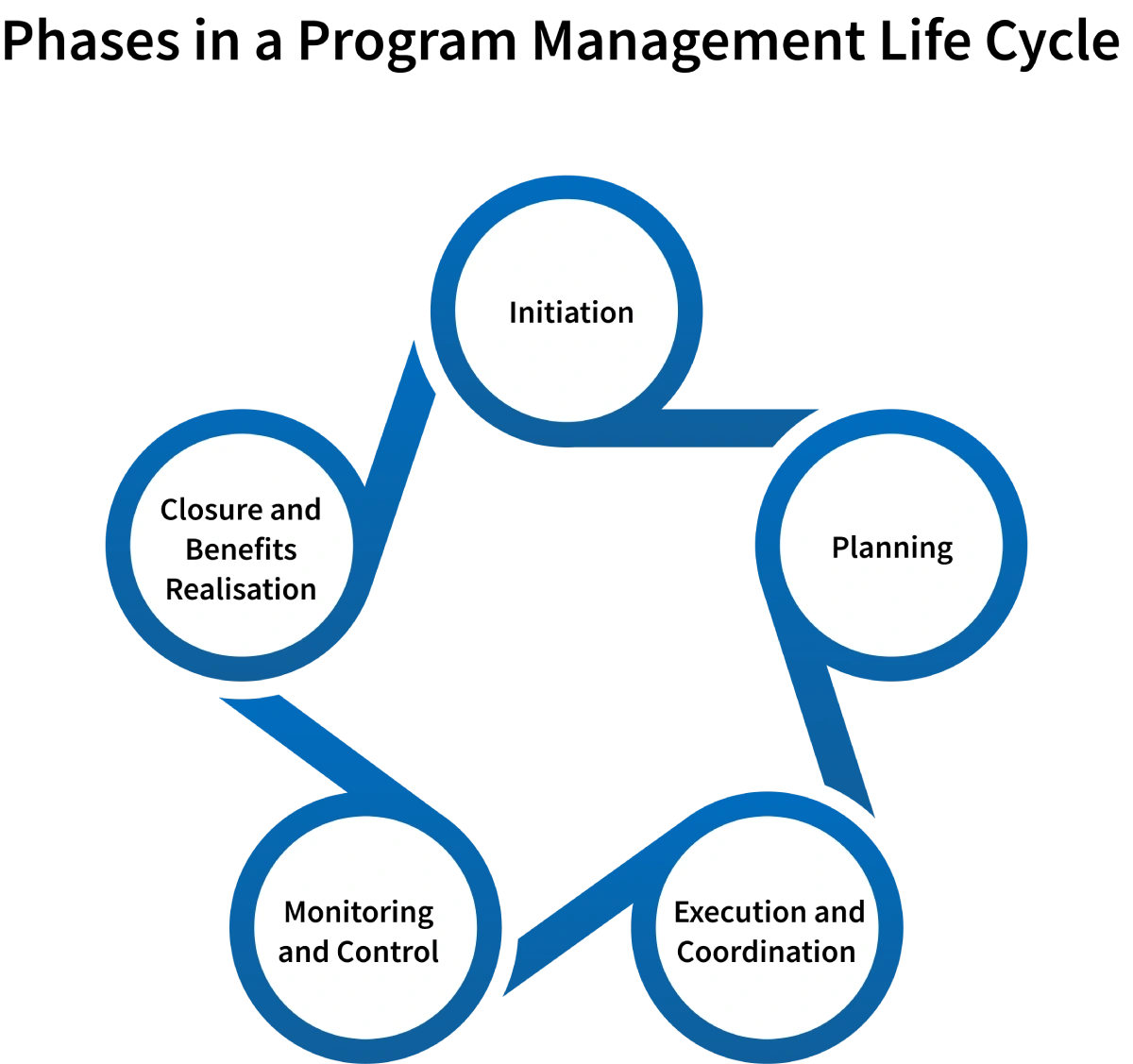
Initiation
The starting stage of your program management life cycle is initiation. This is where you define why the program exists and the outcomes it will need to deliver. You set the scope, map the big projects, and list the results you desire to get.
You also identify the key people involved, make sure everyone is aligned, and confirm that the program has the resources it needs. Once this step is clear, you do not get confused further, and it helps guide every project in the same clear direction.
Planning
In this step, you can turn your goals into a clear, workable roadmap for the entire program. You create a master schedule, align timelines across projects, and map dependencies to get work flowing. This is also the place that you estimate costs, plan resources and how you will track progress.
A strong plan keeps the various phases of programs connected and avoids future surprises as the work increases. With proper planning, you gain confidence in managing your time, estimating effort, and setting the right priorities.
Execution
In the execution step, every project team concentrates on delivering its portion of the program. It is your task to ensure that everything is kept aligned. You coordinate tasks, manage common resources, and remove the barriers that influence progress.
Frequent check-ins, status updates, and shared dashboards can assist you in maintaining clarity in the program execution process. By keeping the teams in sync, you transform the individual project outcomes into a continuous program advancement.
Monitoring and Controlling
Monitoring the process regularly helps you maintain the stability of the program from start to finish. You regularly check the work, deadlines, budget, quality, and outcomes to make sure the program is progressing as planned. Whenever something goes off track, you intervene by making quick adjustments to protect the general plan.
This step also helps you handle risks and any changes without affecting the rest of the program. You are able to guide the whole program with far fewer problems with constant supervision.
Closure
Closure is the step where you complete all the remaining work, verify outcomes, and ensure that the expected benefits are delivered. You hand over results to the appropriate authorities, release resources, and complete any final documentation.
It is also a time to take a moment to think about what went well, what didn't go well and what can be learned in future programs. Strong closure means that the program phases are finished properly, and the goals you planned at the start are actually delivered.
How BIXO Strengthens Your Program Management Life Cycle
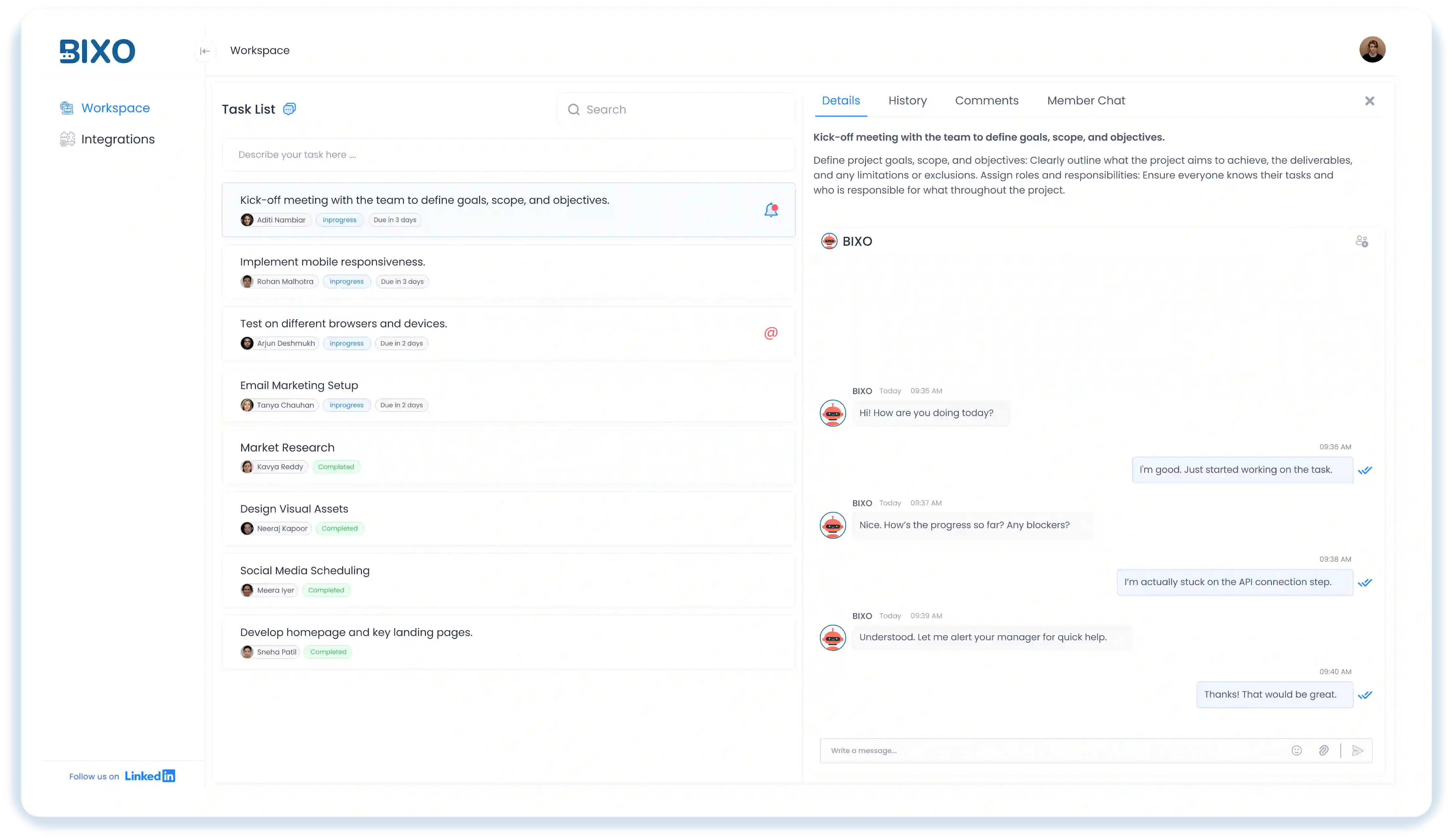
The smooth running of a program depends on steady progress, clear updates, and quick action when things slow down. That’s where BIXO helps. BIXO checks in with your team, gathers real progress, and gives you a summary of what’s actually happening. This saves your time by reducing constant follow-ups, deadline reminders, and unnecessary meetings. It tracks deadlines, sends follow-ups automatically, and spots issues early before they become problems. You can stay focused on planning and strategy while BIXO keeps day-to-day work moving smoothly.
It supports your entire program management process by keeping execution on track, monitoring progress at every stage, and letting you act quickly when something needs attention. Working 24/7 as your AI assistant, BIXO helps you save time, maintain a healthy work-life balance, and ensures your program runs smoothly from start to finish.
Conclusion
Understanding the program management life cycle gives you a clear way to manage multiple projects without chaos. By following the steps from initiation to closure outlined in this blog, you can stay organised, spot issues early, and achieve your goals. With the right approach and tools, you can keep work on track, save time, and focus on what truly matters.
FAQs
It provides a clear framework to organise complicated work, synchronise various projects, and keep everything on track. It makes you stay focused and provides results without unnecessary pressure.
You benefit from solid planning, clear communication, awareness of risks, and the ability to keep your teams working together. These skills assist you in moving each phase along smoothly, making timely decisions, and keeping the entire program on track.
It connects every stage of your work, from planning to execution. You can track progress, match timelines, manage shared resources, and make quick adjustments. This keeps teams aligned and prevents confusion across projects.
It assists you in avoiding confusion about project goals, missed deadlines, resource conflicts, and unexpected problems. With steady tracking and clear steps, you spot issues early and keep the program running smoothly.
Get a demo of BIXO

Recommended Blogs
How to Delegate Tasks Effectively: 7 Tips for Managers
Learn how to delegate tasks effectively, save time, and boost team productivity with step-by-step tips, real examples, and smart AI tools.
 Bhuvana Bitra |
 Oct 17, 2025

Project Objectives: A Simple Guide with Real Life Examples
Learn how to set clear project objectives that guide your team, track progress, and ensure success. Get practical tips and real-life examples to get started right.
Tarun Kumar Reddy Atmakuru |
Oct 17, 2025
25 Key Project Management Skills Every Manager Should Master
Learn 25 essential project management skills - soft, hard, and technical to manage teams, meet deadlines, and deliver successful projects.
Tarun Kumar Reddy Atmakuru |
Oct 17, 2025
×
Focus on what matters. BIXO handles the rest!