Table of Content
Focus on what matters. BIXO handles the rest!

Project estimation is essential for turning an idea into a finished result smoothly. When you know the time, effort, people, and cost involved, you make better choices and avoid unexpected surprises. Accurate estimations in projects do more than guide your plan. It helps you stay realistic, confident, and in control from the very first step.
In this blog, you will understand what project estimation means, how the process works, and the best practices that help you deliver projects with clarity and confidence.
What Is Project Estimation?
Project estimation refers to the process of predicting the time, effort, resources and cost which are necessary to successfully complete a project. It also gives you a clear idea of what the project needs before you begin, helping you plan tasks, assign resources, and set realistic deadlines.
Through project management estimation methods, you can create reliable project estimates that will guide decision-making, reduce risks and keep your project on track. Regardless of whether you use manual methods or project estimation software, accurately estimating projects helps you know what to expect and how to prepare.
Why Project Estimation is Important?
Accurate project estimation is not just a step in planning. It shapes how smoothly your project runs. When you know what to expect, you can plan smarter, avoid surprises, and keep everything on track. Here is why it matters:
- Clear Scope: You clearly identify the work your team must do, which keeps the project focused and prevents wasted effort.
- Realistic Timelines: You set achievable deadlines, so your team finishes tasks on time without stress or last-minute rushes.
- Budget Control: You understand costs in advance, preventing overspending and keeping the project financially on track.
- Efficient Resource Use: You assign the right people, tools, and materials at the right time, avoiding gaps or overload.
- Risk Readiness: You detect potential problems early and prepare solutions, which reduces delays and surprises.
- Informed Decisions: You make smarter choices because you know the time, effort, and cost involved.
- Team Alignment: Everyone understands their responsibilities and deadlines, keeping the project coordinated and smooth.
With solid estimations in the project, you stay in control, reduce mistakes, and deliver your project confidently, on time, and within budget.
What Are the Main Components of Project Estimation?
Project estimation uses several key elements that help you clearly understand what you need to complete a project successfully. Understanding each component helps you plan better, avoid surprises, and stay on track. Here are the main components of project estimation.
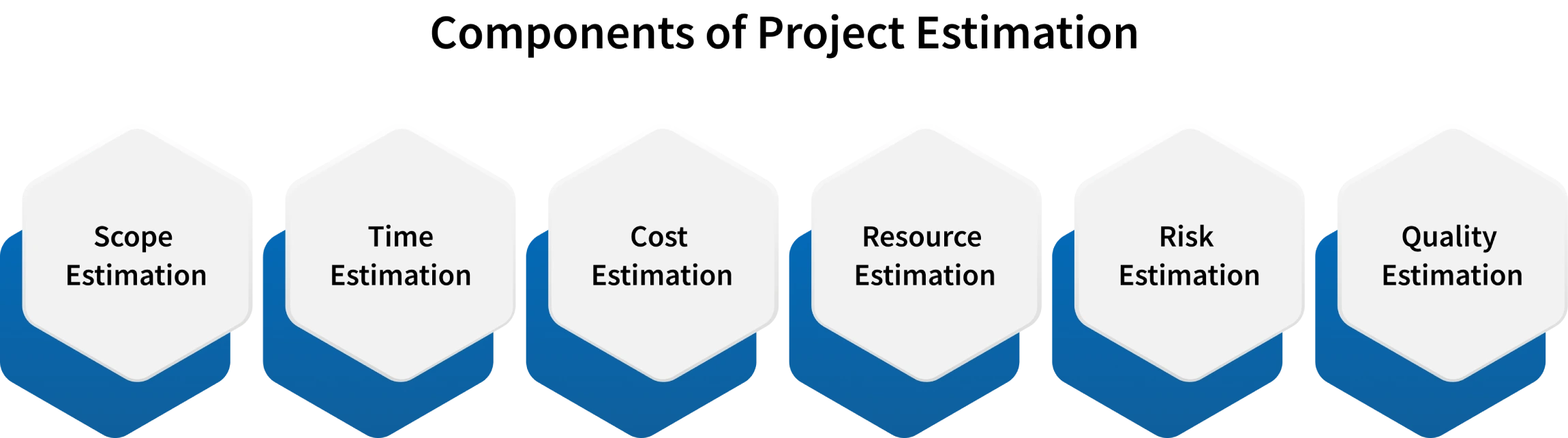
Scope Estimation
Scope estimation provides you with a clear picture of what the project will include and what it will not cover. By defining the work in the beginning, you prevent confusion in the future. You clearly understand the work you must do, the results you want to achieve, and the boundaries of the project. This transparency will enable you to estimate a project with confidence, as you know what you are planning.
Time Estimation
Time estimation helps you understand how long the work will take. When you break tasks into smaller parts and see how they connect, you create a realistic timeline. This makes the estimation process easier because you can clearly estimate when each part will finish. Strong time estimates help you avoid overpromising and manage expectations. Whether you use manual worksheets or project estimation software, good time estimates keep the schedule steady and easy to track.
Cost Estimation
Cost estimation gives you a clear view of the plan’s financial needs. You consider labour, tools, materials, and any additional costs and form a clear idea of the total project cost from start to finish. By knowing the budget in time, you won't face any surprises later. This is an important aspect of estimation in project management, as any slight alteration in cost may impact the entire plan.
Resource Estimation
Resource estimation helps you understand the type of assistance required to get the work done. Identify who does what, what tools they need and how much capacity you possess. Resources are one of the important things you look at when estimating a project because they directly affect time, cost, and overall workload. Effective resource planning keeps the project organised and prevents any last-minute rush to find people or equipment.
Risk Estimation
Risk estimation assists you in anticipating the challenges that might slow you down. Instead of reacting to problems, you prepare for them in advance. You examine possible delays, technical issues, or capacity gaps, and determine how to handle them effectively. Early estimation of project risks makes your planning more accurate and dependable.
Quality Estimation
Quality estimation assists you in defining the standards you want to meet. You know the level of detail, performance, and accuracy the final output should have. These standards help you plan work better because you understand how much effort to put into each stage. Quality estimation strengthens your overall estimating approach by ensuring the final product feels complete and well-made. It also saves you time and expense in the long run as it helps you avoid rework.
How Does the Project Estimation Process Work?
Project estimation works best when you follow a clear, step-by-step process. Each stage helps you estimate the work, resources, and costs more accurately. Here are the key steps you need to follow in the project estimation process.
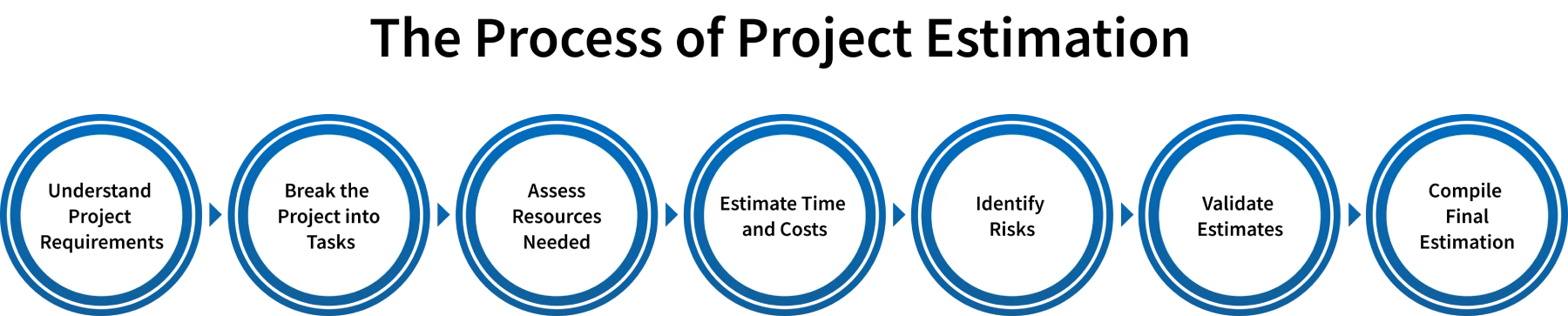
Understand Project Requirements
Begin by carefully reviewing the project objectives, the expected deliverables, and any constraints or limitations. Understanding the project lets you identify all the activities you need to estimate. This step helps you reduce assumptions, ensures you don’t miss anything, and lays the foundation for accurate time, resource, and cost estimates.
Break the Project into Tasks
Break down the entire project into small and manageable tasks or phases. Estimating each task individually helps you calculate realistic timelines and ensures you don’t miss any work. This action helps you organise the projects clearly, allocate responsibilities efficiently, and develop a more accurate and manageable plan.
Assess Resources Needed
Determine the people, tools and materials needed for each task. While planning a project, consider team availability, skill levels and the workload required to finish it successfully. Accurate resource assessment guarantees that you have the right resources to accomplish the project effectively, avoiding time wastage.
Estimate Time and Costs
Estimate the time needed for each task and the costs clearly. Consider dependencies, possible delays and other external factors that can influence your schedule or budget while doing time and cost estimations. Accurate estimations help you build a realistic plan, meet deadlines, and allocate resources effectively.
Identify Risks
Identify potential obstacles that may affect the project delivery, including technical issues, resource shortages or unexpected dependencies. When you have backup plans and extra time in your estimates, you are ready to face uncertainties, reduce the chances of delays, and make your project plan more flexible and stronger to changes.
Validate Estimates
Compare your estimates against historical data, industry benchmarks, or team member contributions. Validation assists in making your task, resource, and cost estimates realistic and achievable. This will reduce mistakes, boost your confidence in the plan, and enable you to revise estimates before completing the project plan.
Compile Final Estimation
Combine all task, time, resource, and cost estimates into a single project plan. The final estimation gives a clear roadmap to manage schedules, budgets, and resources efficiently. It gives you a clear and practical view of the project before you begin.
What Are the Best Practices for Effective Project Estimation?
Effective project estimation happens when you plan carefully and think ahead. It requires a clear approach and consistent practices. By following proven steps, you can make your estimates more accurate, realistic, and manageable. Here are the best practices to follow.
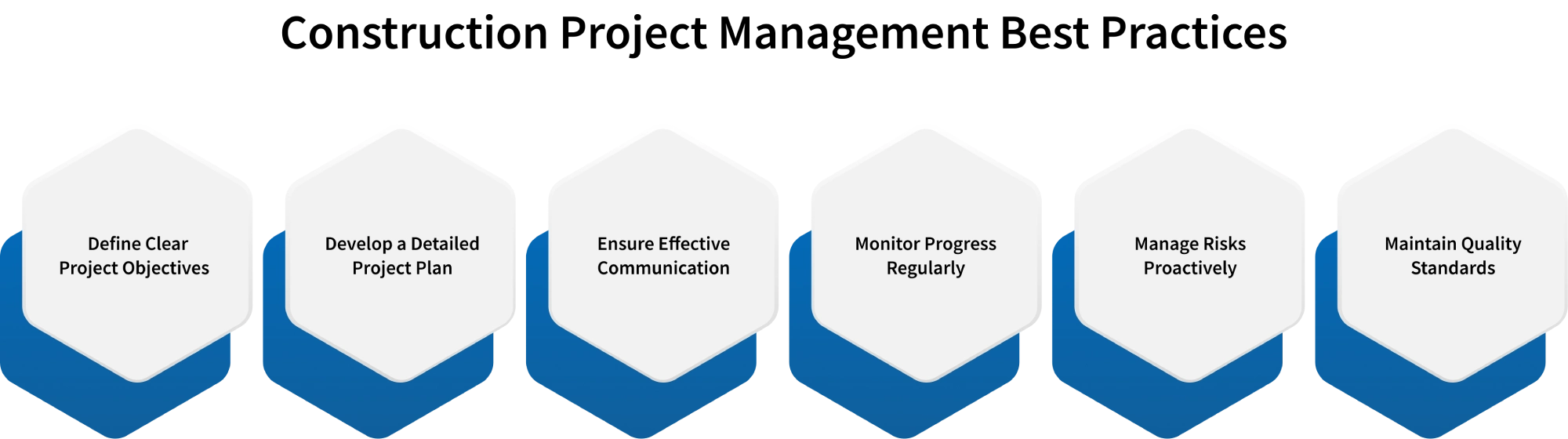
Define Project Scope Clearly
Begin by identifying the work that your team must do. By defining the project scope clearly, you are aware of the deliverables, deadlines, and boundaries. This makes project estimation easier and avoids surprises later. You can make accurate project estimates when the scope is clear.
Break Work into Tasks
Split the project into small, manageable tasks. When you estimate each task individually, your timelines, costs, and resource needs become more accurate. Breaking work down also helps you organise responsibilities, track progress easily, and ensure the project stays on track.
Use Historical Data
Look at past projects for guidance. Historical data shows the time, resources, and cost required to complete the tasks. You can use this information to improve your project estimates, make them more reliable, and reduce the chance of unexpected delays or budget problems.
Plan for Risks
Think ahead about possible problems such as delays, resource shortages, or technical challenges. By including contingency time and costs in your estimates, you make your project plan realistic and flexible so that you can handle uncertainties without disrupting progress.
Collaborate with Your Team
Get your team involved in project estimation. The team members who actually do the work know best how much effort each task will take. Collaboration enhances accuracy, uncovers overlooked tasks, aligns expectations, and builds a shared understanding of the timelines, resources, and deliverables.
Validate and Adjust Estimates
Compare your estimates to past projects, benchmarks, or team contributions. When something appears to be wrong, adjust it. Periodic validation ensures that your project estimates are realistic, achievable and consistent with reality before you finalise the plan.
Leverage Estimation Tools
Simplify calculations, track tasks, and manage resources using project estimation tools or software. Tools minimise the number of errors done manually, enhance accuracy, and simplify estimates, particularly those of complex projects with numerous tasks and dependencies.
How Can BIXO Make Project Estimation More Efficient?
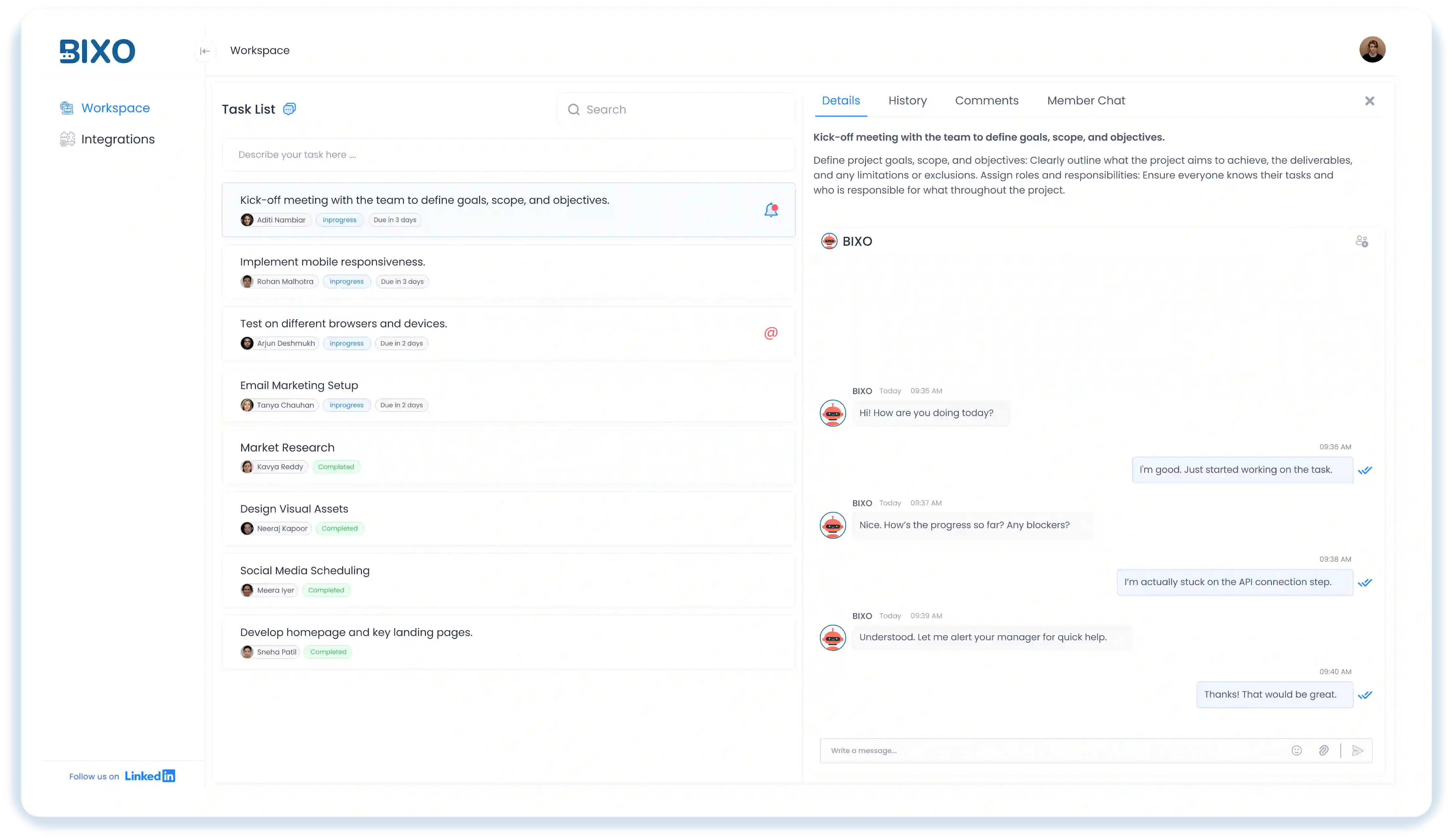
Project estimation often goes wrong when you don’t have timely updates, clear progress, or visibility into what’s slowing the work down. You end up guessing timelines, adjusting plans late, and spending most of your energy chasing status instead of actually planning.
BIXO simplifies all of this. It checks in with your team, gathers real progress updates, tracks deadlines, and sends you a clean summary without any manual follow-ups. With accurate daily information in your hands, you can estimate timelines, workloads, and risks with confidence. BIXO handles the chasing, so you can focus on planning and delivering more reliable estimates.
Conclusion
When you estimate the projects properly, you remove the guesswork and move forward with confidence. You understand exactly what the project needs, how long it will take, and what challenges could come up. This lets you plan more effectively, avoid surprises, and keep everything on track. A strong project estimation process helps you make better decisions, trust your plan, and lead your project to a successful and smooth completion.
FAQs
Project estimation helps you figure out how much time, effort, money, and resources a project will need. It keeps your planning realistic, prevents unexpected problems, and lets you make smarter decisions as the project moves forward.
When estimating a project, look at the scope, tasks, time, resources, costs, risks, and quality standards. Considering these factors helps you make realistic estimates and a plan you can follow successfully.
Breaking a project into smaller tasks makes it easier to estimate time, costs, and resources accurately. It also helps you track progress, manage responsibilities clearly, and ensure nothing gets missed along the way.
Absolutely. Project estimation tools or software make calculations easier, help track tasks, and manage resources smoothly. They reduce mistakes, save time, and give a clear picture, especially for complex projects with many tasks.
Get a demo of BIXO

Recommended Blogs
How to Delegate Tasks Effectively: 7 Tips for Managers
Learn how to delegate tasks effectively, save time, and boost team productivity with step-by-step tips, real examples, and smart AI tools.
 Bhuvana Bitra |
 Oct 17, 2025

Project Objectives: A Simple Guide with Real Life Examples
Learn how to set clear project objectives that guide your team, track progress, and ensure success. Get practical tips and real-life examples to get started right.
Tarun Kumar Reddy Atmakuru |
Oct 17, 2025
25 Key Project Management Skills Every Manager Should Master
Learn 25 essential project management skills - soft, hard, and technical to manage teams, meet deadlines, and deliver successful projects.
Tarun Kumar Reddy Atmakuru |
Oct 17, 2025
×
Focus on what matters. BIXO handles the rest!