Table of Content
Focus on what matters. BIXO handles the rest!

Construction project management assists you in keeping every building project on track, on budget, and running smoothly. Delays, resource shortages, or shifting timelines can mess up progress fast, but with the right approach, you can plan, manage, and deliver your projects efficiently while avoiding common mistakes along the way.
In this blog, you will get a clear look at the key parts of construction project management, the best practices that really work, and the common challenges you might run into. You will also find practical tools and strategies to handle every stage of a project with confidence.
What Is Construction Project Management?
Construction project management means running every phase of a building project from the first idea to the final handover. You plan the work, manage timelines and budgets, coordinate materials and people, and keep everything moving in the correct direction. The goal is simple: to make sure the work is done correctly and in accordance with project goals.
This includes key phases such as planning, time scheduling, execution and monitoring, ensuring everything in the process of a construction project runs smoothly and satisfactorily. This means that coordination of all things is required to convert a building plan into a finished building in an organised and controlled manner.
Why Is Construction Project Management Important?
Construction project management is so important because it assists you in keeping every part of a building project organised and on track. Without it, small errors can quickly turn into delays, extra costs, or wasted materials. By organising tasks well, keeping your team in sync, and following the schedule, you can ensure the project stays on track and achieves its goals.
It assists you in spotting problems early, handling risks smartly and keeping quality high for the project from start to end. Following the construction project management best practices assists you in preventing common problems, keeping everyone working together smoothly, and completing the project on time and within budget. Simply, it gives you a clear plan, steady guidance, and confidence to get the project done right.
What Are the Key Components of Construction Project Management?
Every construction project has a lot going on, and keeping everything running smoothly takes careful planning and coordination. The key parts of construction project management include planning, budgeting, managing resources, maintaining quality, and dealing with risks. When you stay on top of these areas, your project stays organised, moves forward without unnecessary hiccups, and finishes the way you planned.
Project Planning and Scheduling
Project planning and scheduling are the backbone of construction project management. This is where you plan out the project, set practical timelines, and arrange tasks in a way that keeps everything moving smoothly. A carefully planned schedule lets you see possible delays early, manage your time better, and stay on track to meet deadlines. By following a simple, organised process, you can keep the project on track and avoid surprises from beginning to end.
Budget and Cost Management
Keeping your budget under control is one of the most important parts of construction project management. You can track where the money goes, avoid overspending, and make sure every resource is used wisely. A clear plan for costs assists you in preventing surprises and keeps each stage of the project affordable. So, by checking your expenses regularly, you can find the problems at an early stage and also adjust before they become bigger problems.
Resource Management
Construction projects depend on people, equipment, and materials, so managing them well is important. You make sure the right resources are available at the right time and used efficiently. By assigning tasks carefully, coordinating materials, and keeping machinery ready, you can avoid delays and keep work moving smoothly. Planning resources as part of your construction project management process helps the project run without interruptions or wasted effort.
Quality Management
Keeping quality in check is a big part of construction project management. You set clear standards, track the work, and perform the regular checks to make sure everything meets expectations. Focusing on quality from the start assists you in avoiding rework, keeps the project safe, and ensures the final result is reliable and meets everyone’s expectations.
Risk and Communication Management
Construction projects rarely go exactly as planned, so being ready for surprises is key to minimising delays, controlling costs, and ensuring the project stays on track. Identifying potential issues early on, planning for delays, and keeping all stakeholders informed make it easier to mitigate potential problems affecting the project. Effective communication channels, regular updates, and managing risks proactively are all main parts of project management for construction. This serves to keep teams in the same alignment and the project moving forward without unnecessary surprises.
How Does the Construction Project Management Work?
Construction project management is the step-by-step process of taking a project from an initial idea to the final handover. It begins with establishing clear objectives and planning the work, then proceeds to doing the construction work itself, then to monitoring progress and wrapping things up. Each phase helps keep everything organised, on time, and within budget. Once you understand how this works, it makes project management easier and less stressful.
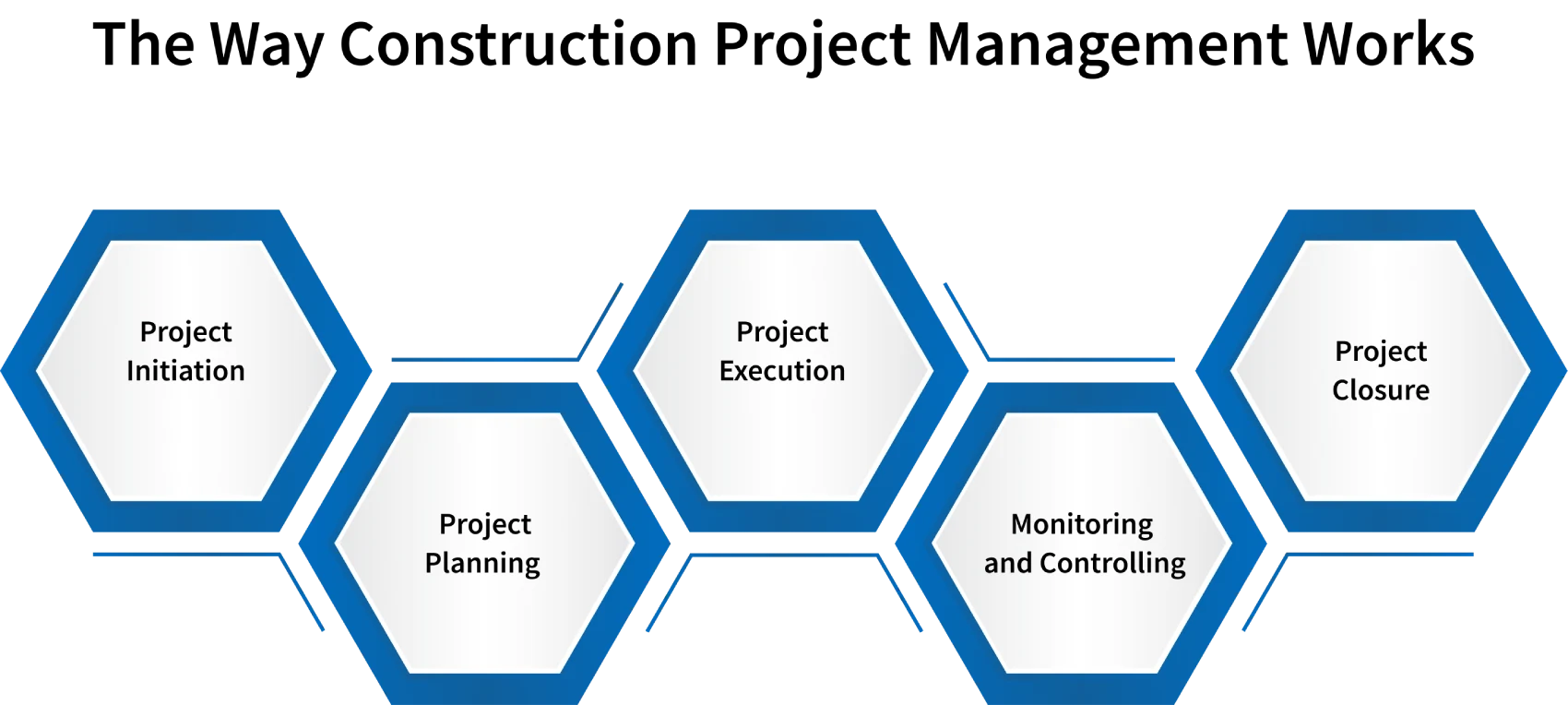
Project Initiation
At first, project initiation is the starting point. You get clear on what the project needs to achieve, what work is involved, and what resources are required. You sort out who’s responsible for what, set expectations, and make sure everyone understands the plan from the beginning. When you take time to set things up right here, the rest of your construction project management process becomes smoother and easier to control.
Project Planning
Planning is where you figure out how the work will actually get done. You break the project into clear tasks, set timelines, build the budget, and decide what resources you’ll need and when. At this stage of construction project management, you also spot risks early, plan the schedule in a realistic way, and make sure your materials, equipment, and people are ready before the work starts. When your plan is solid and easy to follow, the project stays organised, focused, and free from unnecessary surprises later.
Project Execution
This is where everything starts taking shape. You put your plan into action, organise your team at the site, and make sure the right resources are in place when they’re needed. At this point in the construction project management process, you keep an eye on timelines, check progress regularly, and make sure the work meets the expected quality. When you stay involved and keep things moving, the project comes together smoothly and your planning turns into real results at the site.
Monitoring and Controlling
This is where you keep a close watch on how the project is progressing. You check what’s happening against your plan and make adjustments when things start to drift. By tracking timelines, costs, and resources, you can tackle any challenges in construction project management before they become bigger problems. Regular updates and clear communication keep everyone informed and help you stay in control of every part of the project.
Project Closure
This is the final stage of the construction project management process. You go over the finished work, make sure quality standards were met, and confirm that the project goals have been achieved. You also note down lessons learned to make future projects easier and smoother. Wrapping up properly ensures a clean handover and gives you confidence that the project has been completed successfully and efficiently.
What Are the Best Practices in Construction Project Management?
Keeping a construction project on track takes more than just a good plan. It is all about managing every step along the way. Good practices in construction project management assist you in staying organised, avoiding delays, and maintaining high quality. When you set clear goals, plan everything carefully, communicate openly, and handle risks at an early stage, then your project runs smoothly and stays on schedule from beginning to end.
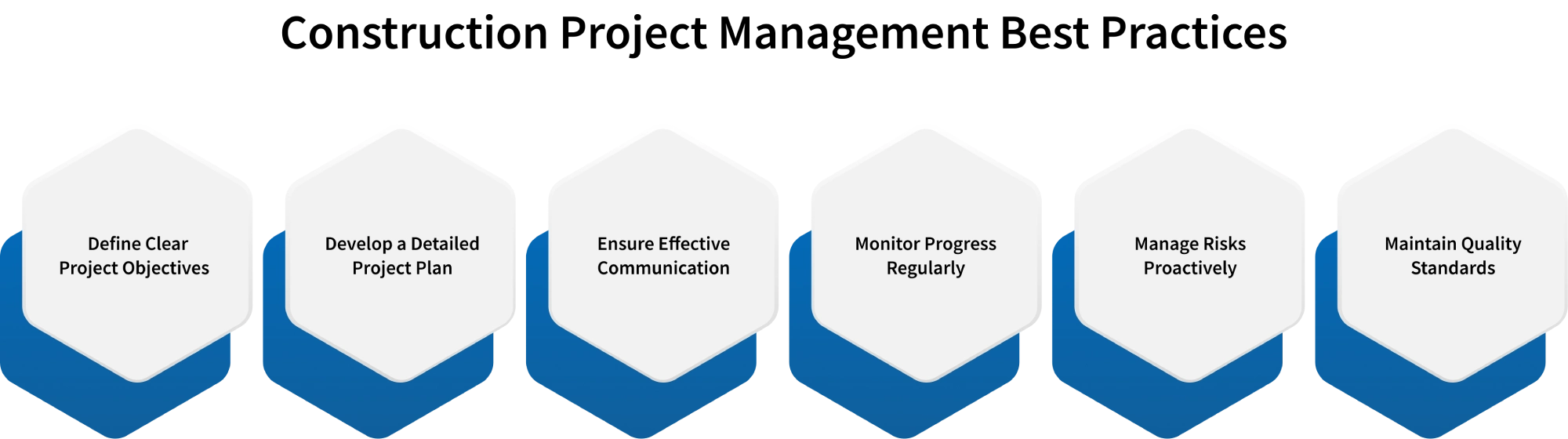
Define Clear Project Objectives
Begin by being clear about what the project needs to accomplish. In construction project management, well-defined objectives act like a roadmap. When you know what success looks like, set realistic targets, and outline what needs to be done, planning each stage becomes simpler. This way, everyone knows the priorities, resources are used efficiently, and the project keeps moving smoothly without confusion.
Develop a Detailed Project Plan
Once you know your project objectives, the next step is to create a clear plan. In construction project management, this means mapping out timelines, task order, who’s responsible for what, and how the budget will be managed. Breaking the work into simple, actionable steps helps you spot potential delays, use materials wisely, and keep every stage on track. A solid plan makes the whole construction process smoother and reduces unexpected problems.
Ensure Effective Communication
Clear and consistent communication is key in construction project management. Make sure everyone knows their tasks, deadlines, and any changes as soon as they happen. By sharing updates and progress regularly, you keep the team well-informed and avoid confusion. When communication flows well, problems are noticed early, and solutions can be put in place quickly, keeping the project moving smoothly.
Monitor Progress Regularly
Monitoring progress is key in construction project management. By checking schedules, costs, and task completion often, you can spot delays, fix bottlenecks, and adjust resources before small issues become big problems. Regular monitoring helps you stay on schedule, maintain quality, and make sure the project stays on track from start to finish.
Manage Risks Proactively
Every construction project has risks, such as lack of resources and problems on the construction site that occur unexpectedly. Proactive risk management in project management for construction means early identification of problems that could arise, evaluation of the impact of those problems, and preparation solutions ahead of time. By addressing challenges before they develop, you keep control of the construction project schedule, budget and safety and, therefore, the total construction project management process is more predictable and reliable.
Maintain Quality Standards
Quality can’t be compromised in construction project management. Set clear standards, check the work regularly, and fix any issues right away. Keeping quality in focus at every stage helps avoid rework, ensures safety, and makes sure the finished project meets expectations. Following these best practices protects your resources and ensures the project delivers the results you planned.
What Are the Challenges in Construction Project Management?
No matter how well you plan, every construction project comes with challenges. Budgets can exceed estimates, schedules can lag, and materials or equipment may be delayed. If you also face miscommunication or safety issues, things can get complicated quickly. Understanding the challenges you might encounter helps you stay prepared. This knowledge allows you to address problems more quickly and keeps your projects on track from start to finish.
Budget Overruns
Controlling costs is one of the hardest problems in construction project management. Unexpected price fluctuations, scope creep, or unplanned delays can quickly put a dent in your budget. By meticulously keeping track of costs and regularly evaluating the construction project management procedure, you can discover overspendings early and take remedial steps. Intelligent cost management and adherence to construction management best practices allow you to remain within budget without detracting from the quality of the project.
Project Delays
Even the best-planned projects can hit delays. Things like bad weather or contractor issues can delay your timeline. Keeping track of scheduling, coordinating well, and following every phase of construction project management assists you in tackling delays before they become a big problem. By checking progress regularly and adjusting your plan as needed, you can keep the project moving in the right direction and meet your deadlines by tracking them.
Resource Shortages
Running out of materials, equipment, or skilled workers can quickly stop a project in its tracks. Good resource management is the main thing in construction project management to make sure the right tools and people are ready when you need them. By planning ahead, coordinating with suppliers, and balancing workloads across your team, so by doing these things you can be able to avoid delays and keep the project moving smoothly.
Poor Communication
When communication is not very clear, then confusion spreads fast, and mistakes are going to happen. In construction project management, keeping everyone updated on changes, risks, or progress is very important and necessary. Regular check-ins, simple reporting, and open communication channels help the team stay aligned. Good communication practices make problem-solving quicker, reduce errors, and keep the project running smoothly.
Quality and Safety Management
Keeping work high quality while making sure the site stays safe is always a big challenge. Skipping checks or cutting corners can lead to costly mistakes and accidents. So, by following construction project management best practices like regular quality inspections and safety measures, you can make sure every step meets the standards. Focusing on safety and quality throughout the project protects your team, resources, and the project's reputation.
Simplify construction project management with BIXO
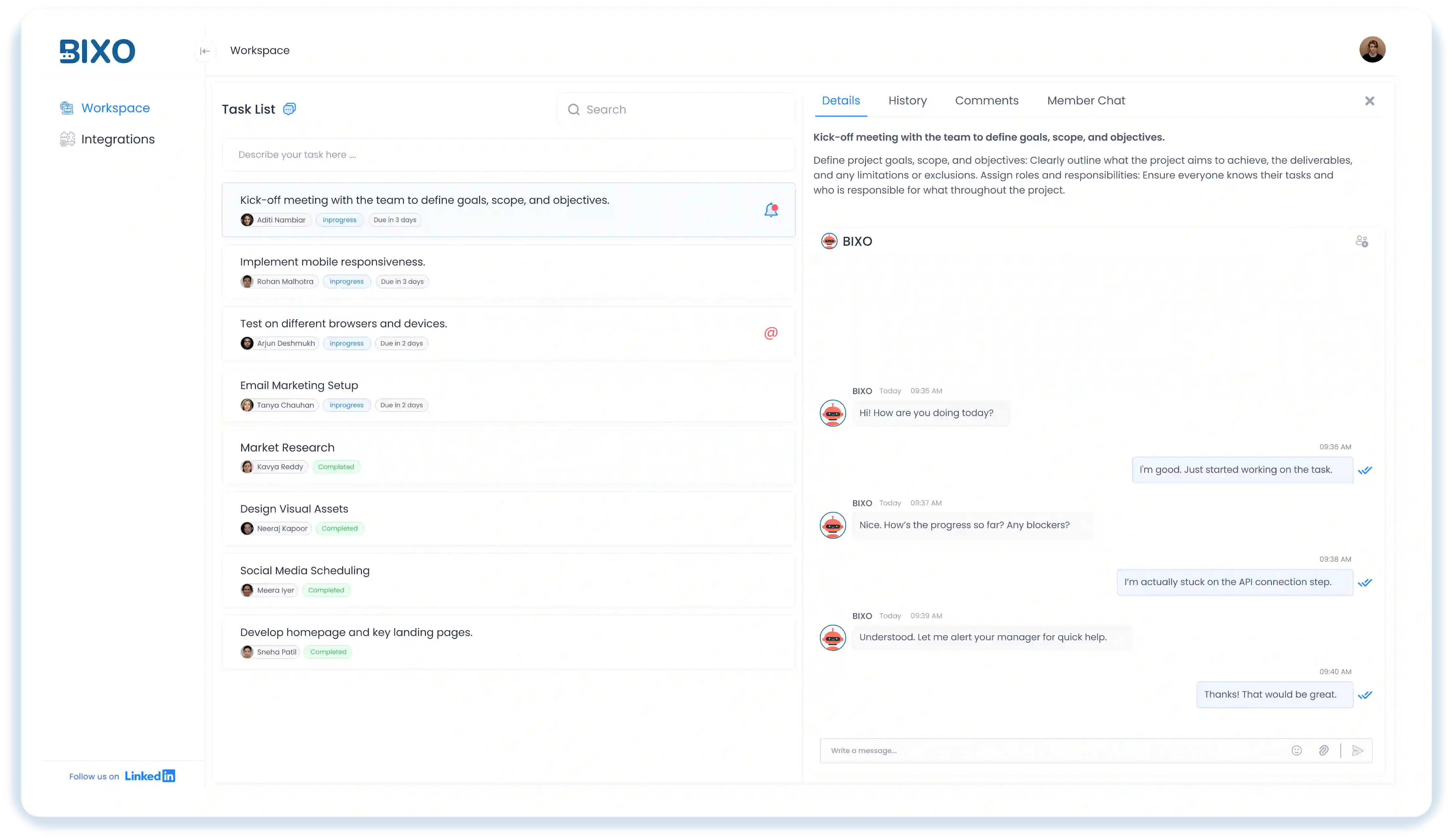
Keeping track of every little thing in a construction project can feel like it takes more time than the actual work. BIXO makes it simple. It automatically checks on progress, gathers updates from your team, and shows you clearly where everything stands. You don’t have to chase anyone or worry about missing deadlines. This way, you can focus on planning, solving problems, and making the project better, while BIXO quietly handles the follow-ups for you.
BIXO makes managing multiple projects and teams much easier. It spots problems, keeps track of what depends on what, and sends helpful alerts so issues get fixed fast. You get updates in real time, see what’s happening clearly, and stay in control without constant meetings or checking in manually. With BIXO, you save time, get more done, and can focus on finishing every project on time and smoothly.
Conclusion
Construction project management is really about keeping everything in your project running smoothly, on time, and within budget, without cutting corners on quality or safety. By planning carefully, using resources efficiently, monitoring progress, and handling risks early, you can prevent delays and extra costs. Using practical tools and strategies helps you keep track of tasks, get timely updates, and manage the whole project, so you can complete it successfully and with confidence.
FAQs
Construction project management is all about planning and keeping track of every part of a building project, including schedules, budgets, materials, and work quality, so the job gets done on time, on budget, and smoothly.
It helps you manage your projects, prevents delays, controls costs, and maintains quality. By keeping track of progress, coordinating your team, and handling risks, you can finish projects smoothly and achieve your goals.
Some common challenges are exceeding the budget, project delays, running out of resources, miscommunication, and keeping work safe and high quality. Planning ahead, checking progress regularly, and staying proactive can help you handle these issues smoothly.
You can make construction project management much easier by using tools that keep track of progress, gather updates from your team, manage schedules, and spot problems early. This helps you stay organised, save time, and keep everything on track.
Get a demo of BIXO

Recommended Blogs
How to Delegate Tasks Effectively: 7 Tips for Managers
Learn how to delegate tasks effectively, save time, and boost team productivity with step-by-step tips, real examples, and smart AI tools.
 Bhuvana Bitra |
 Oct 17, 2025

Project Objectives: A Simple Guide with Real Life Examples
Learn how to set clear project objectives that guide your team, track progress, and ensure success. Get practical tips and real-life examples to get started right.
Tarun Kumar Reddy Atmakuru |
Oct 17, 2025
25 Key Project Management Skills Every Manager Should Master
Learn 25 essential project management skills - soft, hard, and technical to manage teams, meet deadlines, and deliver successful projects.
Tarun Kumar Reddy Atmakuru |
Oct 17, 2025
×
Focus on what matters. BIXO handles the rest!