
Table of Content
Focus on what matters. BIXO handles the rest!

Managing a project often means juggling many tasks, deadlines, and team members at once. It’s easy to lose track of which tasks really matter and where delays might happen. The critical path method in project management helps solve this problem by showing the tasks that have the biggest impact on your project’s timeline. Using CPM makes planning simpler, keeps your team on track, and helps avoid unnecessary delays.
In this blog, you’ll learn what the critical path method is, why it’s important, and the key steps to use it so your projects run smoothly, along with tips for CPM in project management.
What Is Critical Path Method?
The critical path method (CPM) is a technique used to identify the longest sequence of tasks that determines the minimum time needed to complete a project. It shows which tasks must be finished on time to prevent delays.
For example, in software development, if designing the interface must finish before coding, and coding must finish before testing, the critical path in project management identifies these key steps. By focusing on these tasks, teams can complete projects on schedule.
What Is the Importance of Critical Path Method?
Knowing the critical path in project management helps your projects run more smoothly. Here’s why it’s useful:
- Focus on Important Tasks : Shows which tasks really matter first. This helps your team work on the right things.
- Avoid Delays : Helps spot problems before they slow the project down. Fixing them early keeps everything on schedule.
- Use Resources Wisely : Make sure your team spends time on important tasks. No one wastes effort on less important work.
- Plan Better : Helps set timelines that are realistic. Tasks are done in order without last-minute stress.
- Team Works Together : Everyone knows what to do and when. This makes teamwork easier and smoother.
How to Create a Critical Path in Project Management
Creating a critical path project management plan requires knowing your tasks and their dependencies. Here’s a simple approach for that:
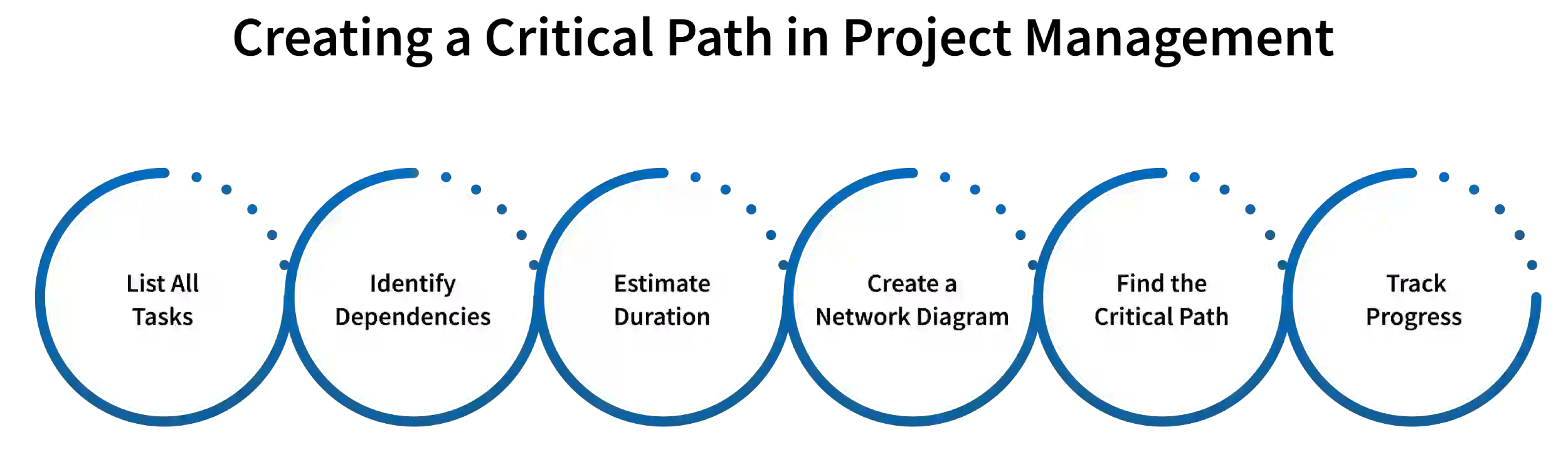
Step 1: List All Tasks
Start by writing down all the tasks your project needs from start to finish. Include small tasks too, because they also take time and effort. When everything is listed clearly, it becomes easier for you and your team to plan the work and avoid missing anything important.
Step 2: Identify Dependencies
Look at your list and check which tasks depend on others. Some tasks can only begin when another one is completed, and knowing this helps you organise work in the right order. This step also helps your team understand when they can start their tasks and prevents work from getting stuck.
Step 3: Estimate Duration
Think about how long each task will take and try to be honest with the timing. You can also ask your team or check similar past work to make better estimates. When you give each task a clear timeframe, it becomes easier to plan the project and avoid stress from unexpected delays.
Step 4: Create a Network Diagram
Make a simple diagram that shows all the tasks and how they connect to one another. This visual layout helps you and your team quickly understand the order of work and where dependencies sit. It also makes it easier to spot steps that could cause delays if not handled on time.
Step 5: Find the Critical Path
Look for the longest set of tasks that decides how soon the project can be finished. These tasks are important because even a small delay in them can delay the whole project. When you know this path, you can focus on these tasks first and manage your time with more confidence.
Step 6: Track Progress
Keep an eye on tasks as the project moves forward so you always know what’s on track. If there are delays or changes, update the critical path and adjust your plan as needed. This helps you stay on schedule and fix any issues before they turn into bigger problems.
What Are the Benefits of Using CPM?
Using the critical path method (CPM) in project management helps you plan better, manage time wisely, and keep your projects running smoothly. It gives you a clear view of what matters most, so your team stays focused and organised.

Clear Project Direction
CPM gives your project a clear path to follow. Instead of guessing what comes next, you know exactly which tasks matter the most and which ones can wait. This helps your team avoid confusion and stay focused on the work that actually moves the project forward.
Better Time Management
With CPM, you can plan your schedule in a realistic way. It helps you see how long each task might take and where delays could happen. Because you can catch these issues early, your team gets more time to adjust without last-minute stress.
Efficient Resource Use
CPM helps you manage your team, tools, and time more effectively. You can quickly see who is free, who is busy, and where help is needed. This keeps everyone’s workload manageable and makes sure effort goes toward the tasks that matter most.
Early Risk Detection
One of the biggest strengths of CPM is spotting problems before they become serious. It helps you identify tasks that could slow down the project and fix them early. This keeps the project running smoothly and reduces surprises, so you can stay ready instead of rushing at the last moment.
Better Team Communication
CPM gives everyone a clear picture of the project. Since the plan is easy to follow, team members can share updates, ask questions, and know what others are working on. This builds transparency and trust. Communication becomes smoother because everyone is on the same page.
How Does BIXO Support Critical Path Planning?
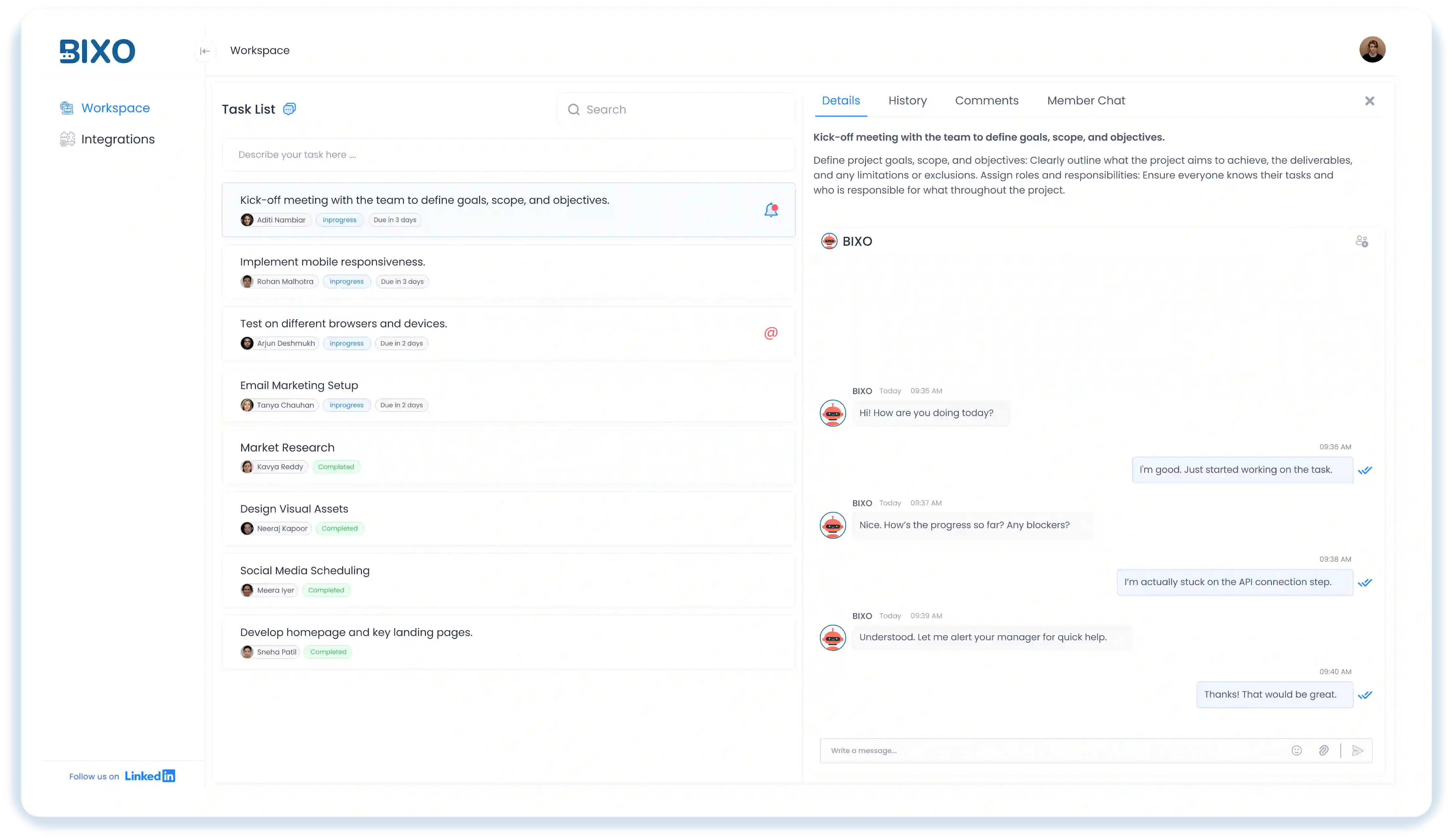
BIXO makes critical path planning simple and stress-free. It automatically tracks task deadlines, progress, and dependencies, so you don’t have to do it manually. If an important task gets delayed, BIXO alerts you immediately and helps you respond quickly to keep your tasks running as per the project schedule.
It removes the usual problems teams face in CPM project management, like missed deadlines or confusion about priorities. With BIXO, your team works in sync, plans better, and stays focused on what’s important. It’s a simple, smart way to keep every project on the right path.
Conclusion
Understanding your project’s critical path helps you plan smarter and work with more clarity. It shows which tasks matter most and helps you stay on track when things get busy. With the right focus and coordination, your team can manage time better, avoid delays, and complete projects successfully without the last-minute rush.
FAQs
The main goal of CPM is to find the tasks that take the most time and depend on each other, so you can focus on what’s most important and finish the project on time.
It’s good practice to review it weekly or whenever major tasks are completed or delayed. This helps you make quick adjustments before small issues grow bigger.
A regular task list shows what needs to be done, but CPM shows which tasks affect the project’s finish date and need your attention first.
Yes, it can. If timelines, resources, or task priorities change, the critical path may shift. Checking it regularly helps you keep the project on track.
Get a demo of BIXO

Recommended Blogs
Project Management Triangle: Managing the Triple Constraints
Master the project management triangle by balancing scope, cost, and time with simple strategies that drive successful outcomes every time.
 Jahnavi Chintakrindhi |
 Oct 13, 2025
How to Delegate Tasks Effectively: 7 Tips for Managers
Learn how to delegate tasks effectively, save time, and boost team productivity with step-by-step tips, real examples, and smart AI tools.
Bhuvana Bitra |
Oct 17, 2025

Project Initiation: Key Steps, Best Practices, & Mistakes to Avoid
Learn what project initiation is, why it matters, key steps to follow, best practices to apply, and mistakes to avoid for a strong and successful project start.
×
Focus on what matters. BIXO handles the rest!