Table of Content
Focus on what matters. BIXO handles the rest!

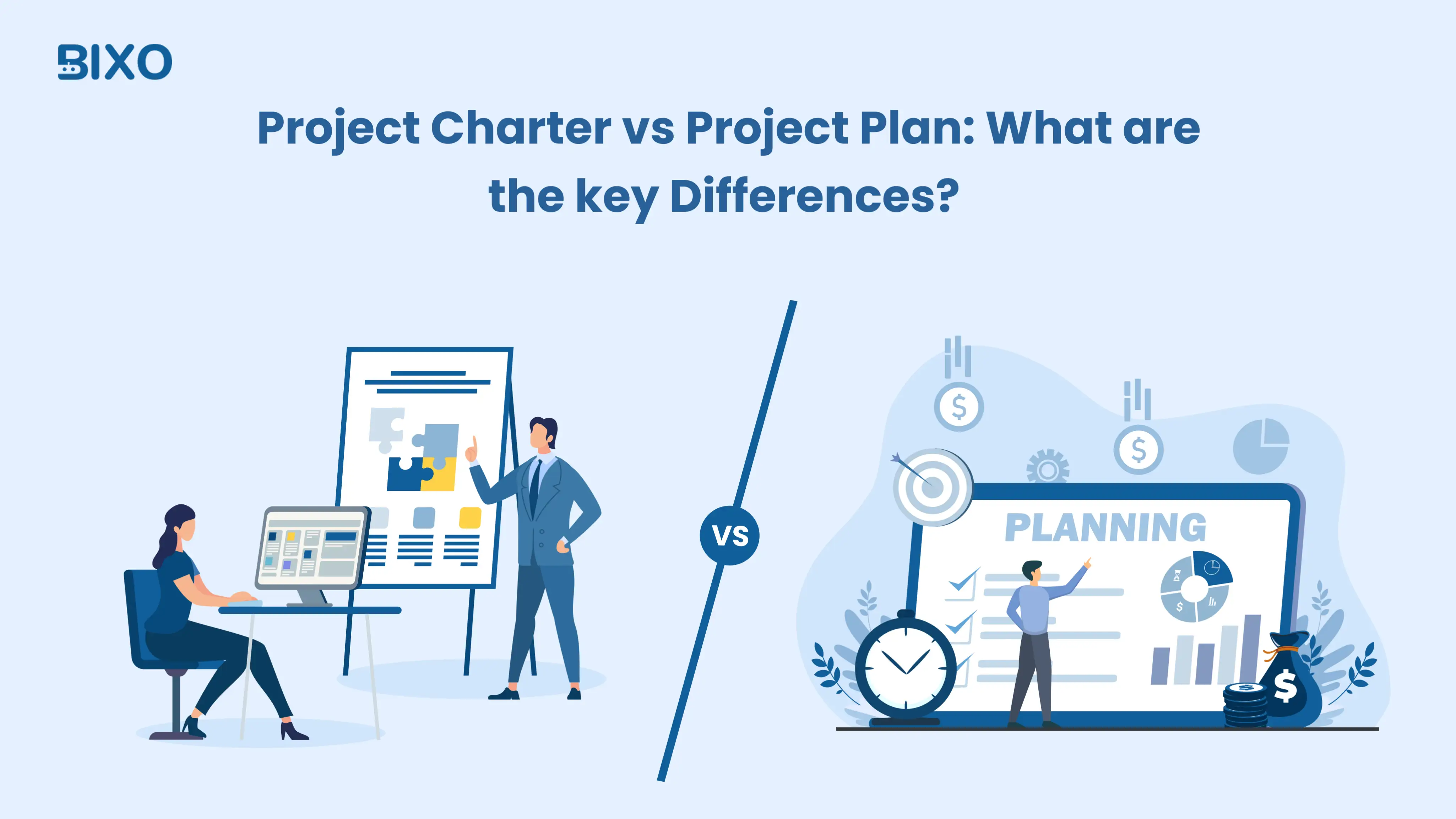
When you work on a project, you come across different documents that guide what you do and how you move forward. Two of the most important ones are the project charter and the project plan. Even though they sound similar, they support your work in different ways.
Keeping these documents organised helps you follow progress, assign tasks, and stay on top of deadlines. This makes it easier for you to manage the project from start to finish. In this blog, you’ll take a closer look at project charter vs project plan and find out how each document guides you through different stages of your project.
When to Use a Project Charter?
Use a project charter at the very beginning of a project, during the initiation phase, to formally approve the project. It should be used before detailed planning starts, to outline the main project goals, scope, and stakeholders.
The charter is important for setting project boundaries and main deliverables to avoid misunderstandings.
When to Use a Project Plan?
Use a project plan after the project is approved and ready to move into detailed planning. It is used when you break the work into tasks, timelines, roles, and steps. This is where you decide how the project will actually be carried out.
The project plan is important for guiding execution, tracking progress, and managing daily work. It keeps tasks organised, timelines clear, and resources properly used.
How Does Project Charter is Differ from Project Plan?
Here’s a quick comparison that highlights the key differences between a project charter and a project plan, helping you understand how each one supports your project at different stages.
| Parameters | Project Charter | Project Plan |
|---|
Conclusion
To conclude, the project charter and the project plan both play a critical role in maintaining your projects on track. The project charter sets the stage, outlining the project’s purpose and goals, while the project plan goes into the details, showing exactly how to get there. The combination of these two gives a clear and structured way of handling the project from start to finish. Using AI tools like BIXO makes it even easier to simplify the process, meet deadlines, and track progress without extra complications.
FAQs
If a project deviates from the project plan, then timelines, resources, or responsibilities should be changed. Monitoring tools like BIXO can be used to identify deviations at an early stage and keep things under control.
If there are disagreements, revisit the project charter to ensure everyone agrees on the goals. Then, check the project plan to make sure it aligns. Open communication is key to resolving issues.
The project plan includes risk management strategies, such as identifying potential risks, defining how to handle them, and adjusting the plan as needed.
The primary difficulties usually relate to the estimation of the timelines, the allocation of resources, and the consideration of all the tasks.
Get a demo of BIXO

Recommended Blogs
Top 10 Personal Project Management Software You Must Know
Check out the best personal project management software to plan, organise, and track your daily tasks efficiently and improve focus and productivity.
 Bhuvana Bitra |
 Nov 28, 2025
How to Delegate Tasks Effectively: 7 Tips for Managers
Learn how to delegate tasks effectively, save time, and boost team productivity with step-by-step tips, real examples, and smart AI tools.
Bhuvana Bitra |
Oct 17, 2025
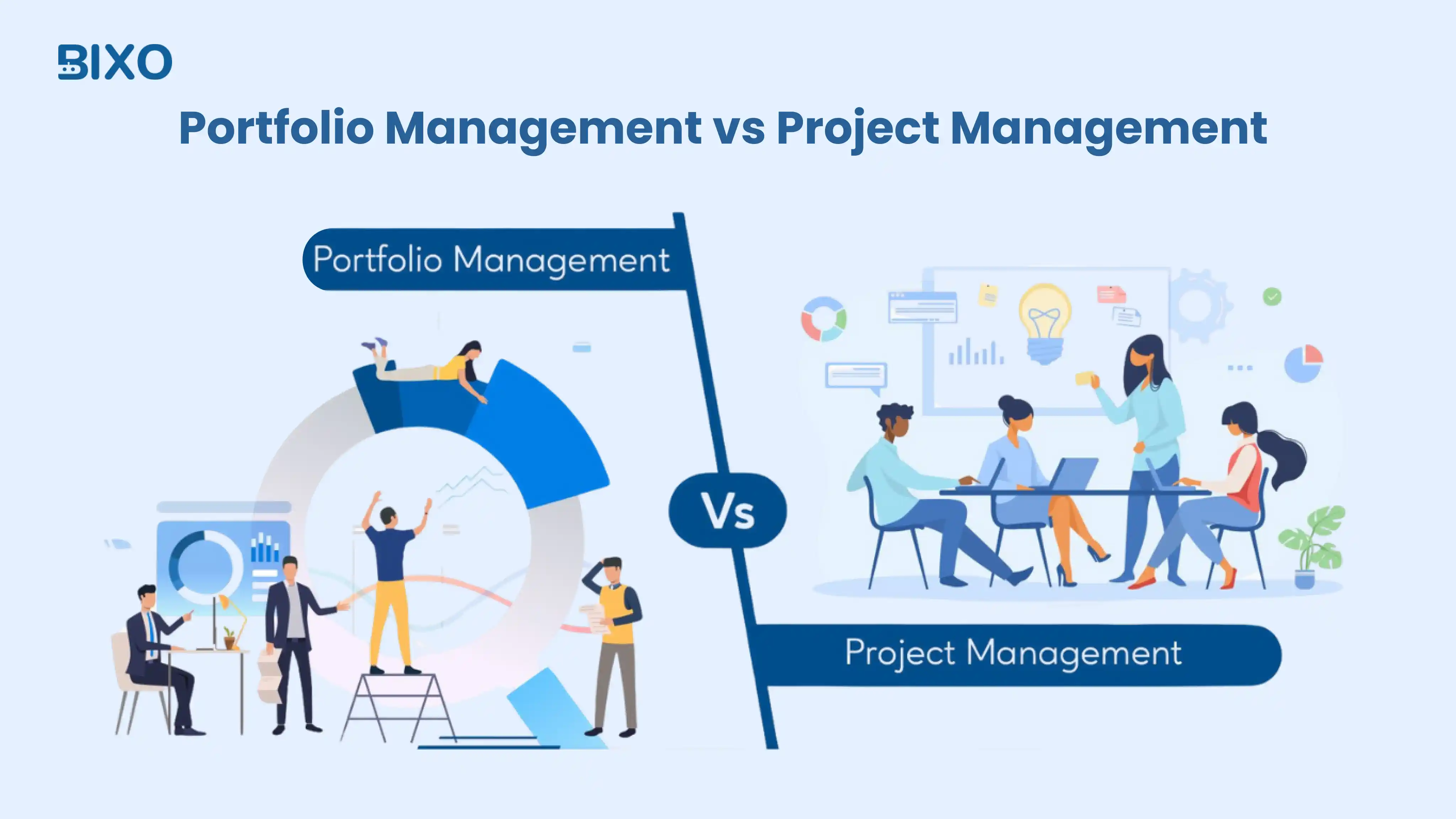
Portfolio Management vs Project Management: Key Differences
Understand the use of portfolio management, the role of project management, and the key differences that help teams work smarter and deliver results.
×
Focus on what matters. BIXO handles the rest!